AEC Technology Updates Straight to Your Inbox
Thank you! Your submission has been received!
Oops! Something went wrong while submitting the form.
By subscribing, you agree to our Privacy Policy and consent to receive updates from our company.


.webp)
.svg)


January 9, 2026

5:33 pm
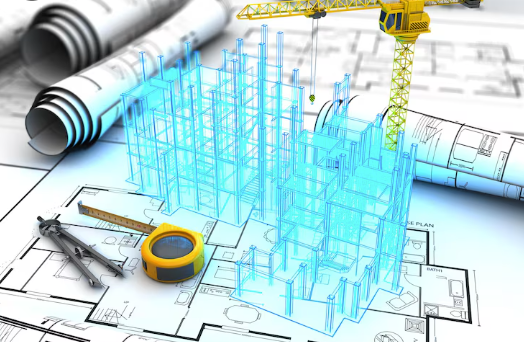
Infrastructure projects begin with an idea that needs to be translated into clear, buildable plans. Roads, bridges, drainage systems, and public utilities all rely on detailed drawings to move from planning to construction. Understanding what civil drafting is helps explain how these ideas become organized documents that guide actual infrastructure development. Civil drafting focuses on accuracy, coordination, and functionality so teams can work with confidence.
Today, civil drafting services play a quiet but essential role in shaping safe and functional infrastructure. Plansrow operates in this field with a focus on precision and reliable documentation rather than marketing-driven design.
Civil drafting is the process of creating technical drawings for civil engineering projects. These drawings show site layouts, grading plans, alignments, sections, and construction details. They communicate how land, structures, and systems should be developed to meet engineering and safety standards.
Unlike architectural drafting, which focuses more on buildings, civil drafting deals with large outdoor environments. This includes roads, highways, water systems, and public infrastructure. The goal is to provide clear information that supports planning, approvals, and construction.
Every infrastructure project starts with planning. Engineers and planners gather data about the site, such as topography, soil conditions, and existing utilities. This information is often collected through surveys and site studies.
Once this data is available, drafters create base drawings. These drawings form the foundation for the entire project. They show existing conditions like property boundaries, elevations, and nearby structures. Accuracy at this stage is critical because all future designs are built on this information.
As the project progresses, drawings become more detailed. Early design stages focus on layout and alignment. For example, a road project might start with centerlines and basic widths. Later stages add details like slopes, drainage paths, and intersection geometry.
This step-by-step method is part of the Civil drafting process. Each stage builds on the previous one, allowing teams to review and refine designs before moving forward. This reduces errors and helps identify potential issues early.
Once the overall design is approved, detailed drawings are created. These include cross-sections, profiles, and construction details. They explain how different components should be built and connected.
Materials, dimensions, and notes are added so contractors understand exactly what is required. These drawings must follow local standards and regulations to ensure safety and compliance. Clear documentation at this stage helps avoid confusion during construction.
Infrastructure projects involve multiple disciplines. Civil drawings must align with structural, electrical, and mechanical plans. For example, drainage systems must not conflict with utility lines or foundations.
This coordination requires proper review and updates. Digital drafting tools make it easier to manage revisions and share drawings across teams. Clear communication through drawings helps everyone stay aligned.
Civil drafting is not only about creating accurate drawings but also about helping teams work together efficiently. Because drawings are digital and standardized, they can be shared easily among architects, engineers, contractors, and project managers. Everyone works from the same reference, which reduces miscommunication and ensures that design intentions are clearly understood.
Clear drawings also make meetings and discussions more productive. Teams can review layouts, elevations, and technical details visually rather than relying solely on verbal explanations. This method helps in resolving issues faster and supports smoother project execution.
Modern civil drafting relies heavily on digital tools and software. Computer-Aided Design (CAD) programs allow drafters to create precise, editable, and shareable drawings quickly. These tools also make it easier to detect conflicts between different systems, such as utilities, roads, and drainage, before construction begins.
Other technologies, like 3D modeling and geographic information systems (GIS), help visualize terrain, elevations, and complex layouts. Using these tools, civil drafting becomes not just a documentation process, but a way to simulate and plan projects with higher accuracy and efficiency.
Once construction begins, civil drawings guide on-site work. Contractors rely on them to set out locations, elevations, and alignments. Engineers use them to verify that work matches the design intent.
This applied use explains how civil drafting works in real conditions. Drawings are not just design tools but active references throughout construction. When changes occur, drawings are updated to reflect current conditions.
Infrastructure projects often cover large areas and long timelines. Managing this complexity requires organized documentation and consistent standards. Civil drafting helps by breaking large projects into manageable components.
For major developments, Civil drafting for large-scale projects becomes especially important. Detailed drawings support coordination across phases, contractors, and stakeholders. They also provide a record that can be used long after construction is complete.
One of the key benefits of civil drafting is the ability to revise and update drawings quickly. Changes in site conditions, design modifications, or regulatory requirements can be incorporated without redoing the entire plan. This flexibility allows teams to adapt to challenges efficiently.
Accurate and well-organized drawings also provide long-term value. They serve as references for future maintenance, expansions, or upgrades, helping municipalities and facility managers understand existing infrastructure. For large-scale projects, consistent documentation ensures reliability across multiple phases and stakeholders.
Civil drafting quietly supports the infrastructure that communities rely on every day. From early planning to long-term maintenance, it provides the clarity and accuracy needed to turn engineering ideas into reality. By focusing on structured documentation and careful coordination, teams can deliver safer and more efficient projects.
Professionals working in this space often look to experienced providers like Plansrow to ensure their drawings remain accurate, organized, and reliable throughout the project lifecycle.
1. Is civil drafting only used for roads and highways?
No. Civil drafting is used for many infrastructure projects, including drainage systems, utilities, land development, and public works.
2. How is civil drafting different from architectural drafting?
Civil drafting focuses on land and infrastructure, while architectural drafting focuses on buildings and interior spaces.
3. Can civil drawings change during construction?
Yes. Drawings are often updated to reflect site conditions or approved design changes.
4. Why is accuracy so important in civil drafting?
Small errors in dimensions or elevations can lead to major construction issues, safety risks, or added costs.
5. Are civil drafting drawings useful after construction is complete?
Yes. They are valuable records for maintenance, repairs, and future development planning.
By subscribing, you agree to our Privacy Policy and consent to receive updates from our company.
